
Cockroach Drain Treatment in Dubai
If you keep finding cockroaches around a sink or floor drain, it’s worth checking both the drainage point and the surrounding area. They may be using a nearby hiding place, a gap around pipework or a route linked to a drainage defect.
We arrange assessments and treatment for Dubai homes and businesses. This guide explains how drain-related activity is investigated and when maintenance may need to support cockroach pest control.
- Dubai Municipality registered contractors
- MOCCAE approved products only
- Your quote explains the visits and follow-up included
- Appointment availability confirmed when you enquire
Investigating Cockroaches Around Drains
Seeing a cockroach beside a drain does not mean it came through the pipe. Tell your technician where sightings occur so they can check the surrounding fittings and possible access routes.
Leaks, damaged drainage components and gaps around pipes may be relevant. Identifying what is actually involved helps direct treatment and repairs to the right locations.
How Drain-Related Cockroach Treatment Works
Your technician inspects the reported drainage points and accessible surrounding areas for cockroach activity, hiding places and possible entry routes. The findings guide whether pest treatment, maintenance or both are needed.
Where a pesticide application is recommended, the product must be permitted for that specific location and use. The technician explains the proposed application; pouring insecticide into a drain is not an automatic part of the service.

Drain Traps, Pipe Openings and Shared Routes
A water trap forms a barrier within the drainage system. If it is dry, faulty or affected by damaged fittings, a qualified plumber may need to investigate and explain the appropriate maintenance.
Gaps around the outside of pipework can also provide access. Where findings suggest a connection with shared building areas or vertical drainage pipes serving several floors, building management may need to coordinate further inspection or repairs.
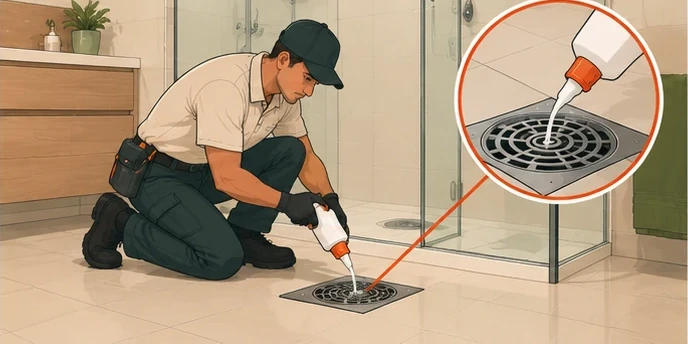
Drain Treatment for Homes
Show your technician the sinks, floor drains or pipe openings near the sightings. Mention persistent leaks, unusual drainage smells, damaged covers and fixtures that are rarely used.
Clear access to these locations before the visit. Leave drain fittings in place and tell the technician about any chemicals or pest treatments already applied.
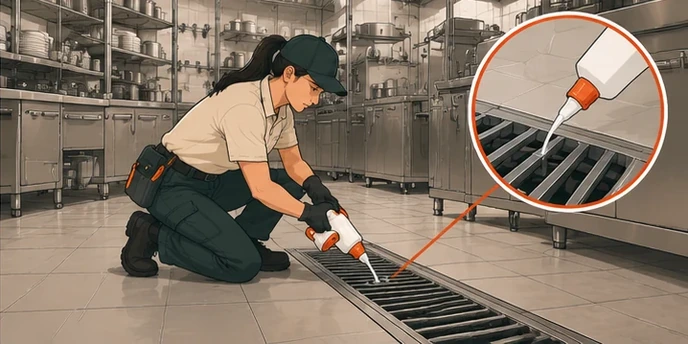
Drain Treatment for Businesses
For kitchens, wash areas and service rooms, treatment planning considers the affected drainage points, cleaning routines and operating hours. Share any access restrictions so inspection can be coordinated with the responsible staff.
Where findings involve shared drainage or maintenance outside your premises, the technician explains what needs wider attention. Your agreed scope identifies the areas covered by the pest-control service and any separately arranged repairs.
Planning Drain-Related Cockroach Treatment
Your visit is planned around the reported sightings, accessible drainage points and surrounding areas. Here is what to expect from inspection, preparation, precautions and follow-up.
Treatment Scope
The technician checks the agreed drainage points and nearby areas, then explains the recommended response. Your quote identifies the pest-control work included. Plumbing repairs, access to shared areas and other maintenance are set out separately where needed.
Preparation
Clear access to affected sinks, floor drains and pipe openings. Share details of recurring faults, recent plumbing work and products already used. Follow the preparation instructions rather than adding further drain chemicals or insecticides before the visit.
Access and Precautions
Let us know about children, pets and restrictions around the affected areas. If treatment is recommended, the technician explains any temporary limits on access or fixture use and the precautions required for the selected product.
Follow-up
Record where and when sightings continue, and report whether recommended repairs have been completed. This helps the technician review remaining activity and assess whether an unresolved entry route or another nearby hiding place needs investigation.
Visit our cockroach treatment pricing page for starting prices. Your pest-control quote explains the included work; any plumbing or maintenance costs are identified separately.
Preventing Recurring Drain-Related Activity
Arrange any recommended repairs with the appropriate plumber or maintenance team. For rarely used fixtures, a qualified plumber can explain how to maintain the water trap and identify faults that need attention.
Keep accessible drain covers and surrounding surfaces clean, report persistent leaks and record further sightings. Cockroach control services may need to work alongside building maintenance where the findings involve areas beyond your property.
Not Sure Whether Cockroaches Are Coming From a Drain?
Tell us where and when you see them, along with any drainage or plumbing issues. An assessment can help establish whether the drain is involved or whether the surrounding area needs attention.
Explore Other Cockroach Treatments
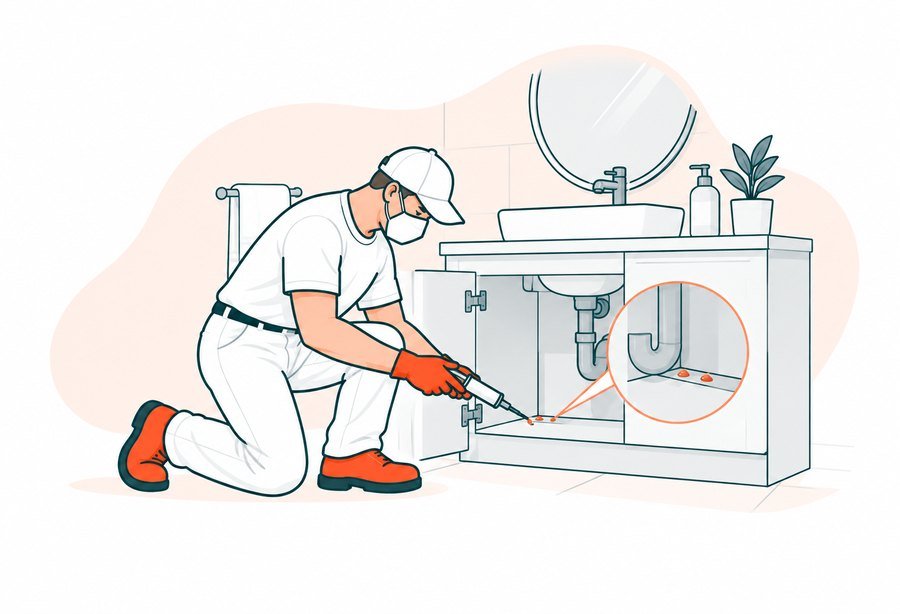
Cockroach Gel Bait Treatment
Learn how bait can address feeding activity around suitable hiding places.
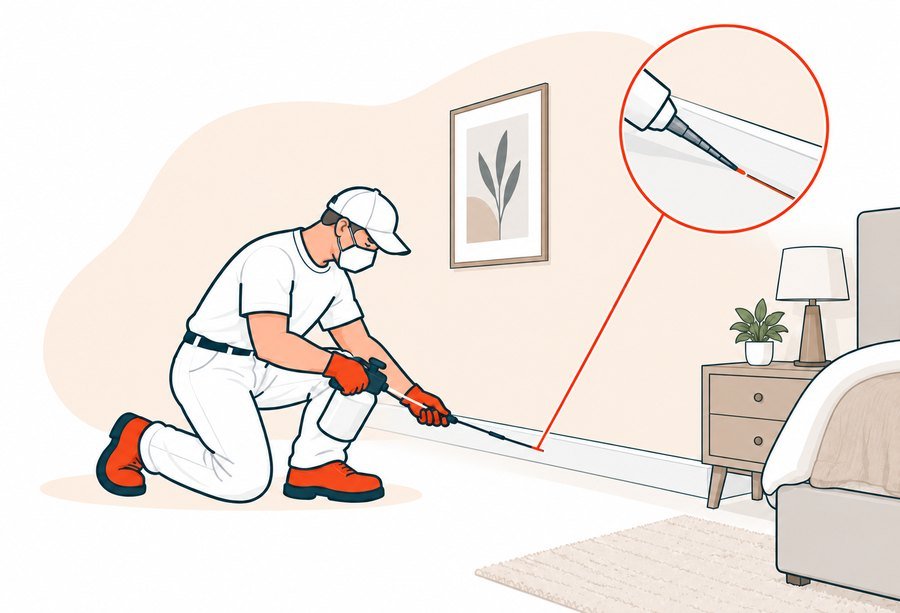
Crack and Crevice Treatment
Read how accessible gaps around fittings and pipe openings may be targeted.
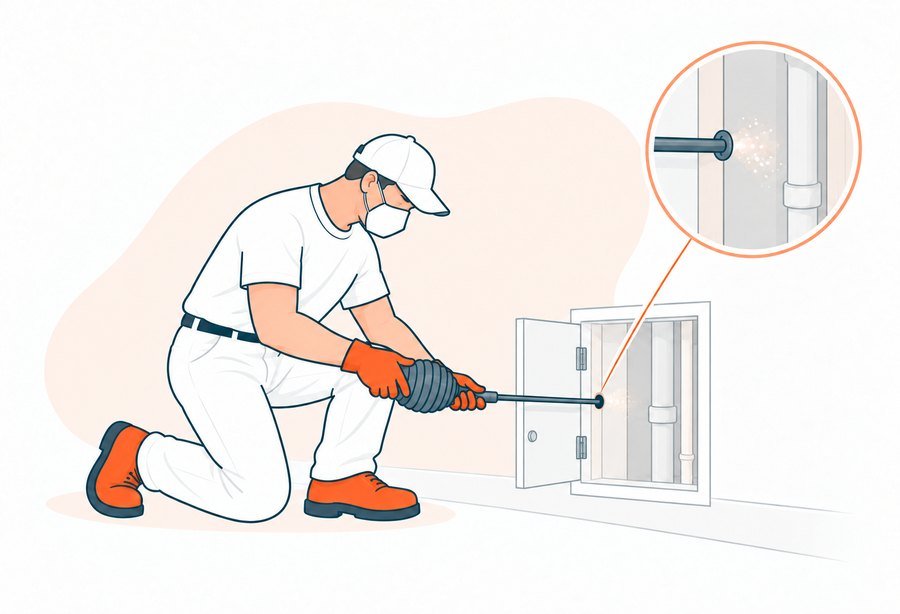
Dust and Foam Treatment
Understand how concealed spaces are assessed before a suitable treatment is selected.
Cockroach Drain Treatment FAQs
No. Its position alone does not establish the source. The inspection considers the drainage point, nearby hiding places and gaps around pipework.
No. The recommended response may involve maintenance, targeted treatment of suitable locations or both. Any pesticide application must follow the product’s permitted uses and instructions.
No. A faulty trap or damaged fitting requires appropriate plumbing work. Your technician explains any findings that need a plumber or maintenance team alongside the pest-control service.
A drainage stack is a vertical pipe serving several floors. Building management may need to coordinate inspection or repairs beyond your unit. Your technician explains the findings and the areas covered by your treatment.